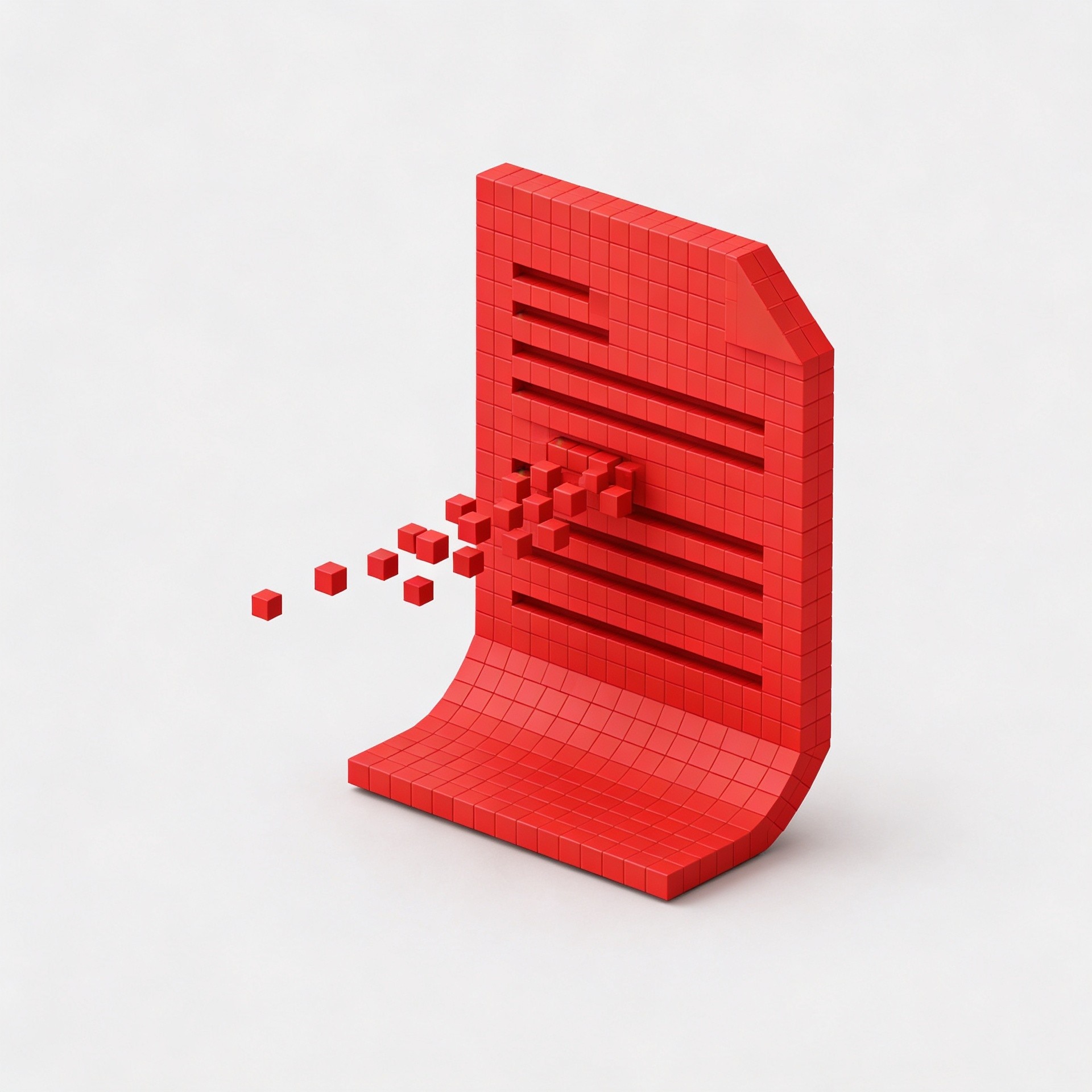
AI Writing Tools Are Rapidly Changing Content Workflows
AI writing tools have moved from novelty to necessity for many creators. The way content gets drafted, edited, and published is changing fast — and understanding how to use these tools well is becoming a core creator skill.

5
min read
|
Category
/ All Categories
/ All Topics
/ Share It On:
Not long ago, the conversation about AI writing tools was mostly theoretical. Interesting technology, people said. Worth watching. Not quite ready for real work.
That conversation is over. AI writing tools are now embedded in the daily workflows of creators, marketers, journalists, and content teams around the world. The question has shifted from whether to use them to how to use them well.
The speed of adoption has been remarkable
The pace at which AI writing tools went from curiosity to essential has been unlike almost anything else in the creator tool space. Within months of tools like ChatGPT becoming widely available, creators were building entire content systems around them. Newsletter writers were using them to draft first versions. Bloggers were using them to break through writer's block. Content teams were using them to scale output without scaling headcount.
Part of what drove the adoption so fast was accessibility. These tools don't require technical knowledge. You don't need to understand how they work to get value from them. You just need to know what to ask for — and even that skill develops quickly with practice.
What's actually changing in the workflow
The impact of AI writing tools isn't uniform across the content creation process. Some stages have been more affected than others.
The research and outlining phase has changed significantly. Where a creator might have spent an hour pulling together background information and structuring their thinking before starting to write, AI tools can compress that process dramatically. A well-prompted AI can generate a comprehensive outline, identify angles worth covering, and surface relevant context in minutes. That doesn't replace the creator's judgment about what to include — but it accelerates the starting point considerably.
The drafting phase is where the experience varies most between creators. Some use AI to generate a full first draft that they then heavily rewrite and personalize. Others use it more selectively — drafting a difficult paragraph, generating alternative phrasings for a sentence that isn't working, or pushing past a specific block in the writing. The creators who get the most value tend to treat AI as a drafting collaborator rather than a replacement for their own writing process.
Editing and refinement is an area where AI tools are consistently useful across the board. Tools that help tighten prose, flag clarity issues, suggest stronger word choices, and check for consistency are genuinely valuable regardless of how much or how little AI was involved in the drafting process.
Repurposing finished content is perhaps where AI has created the most obvious efficiency gain. Taking a finished article and using AI to generate a newsletter version, a social media thread, a short video script, and a set of pull quotes used to take hours. Now it takes minutes. For creators publishing across multiple channels, that kind of leverage compounds quickly.
The skills that matter more now
As AI tools handle more of the mechanical aspects of writing, the skills that remain distinctly human become more valuable — not less.
Having a clear point of view matters more. AI tools are very good at producing competent, readable content on almost any topic. What they can't manufacture is a genuine perspective built on real experience and original thinking. The creators whose work stands out are the ones bringing something to their content that an AI couldn't replicate — a specific take, a personal story, a counterintuitive argument grounded in real knowledge.
Prompting and directing AI effectively is itself a skill worth developing. The quality of what you get from an AI writing tool is directly related to the quality of what you ask for. Vague prompts produce generic output. Specific, well-constructed prompts that give the tool clear context, tone direction, and constraints produce output that's actually useful. Learning to prompt well is learning to think clearly about what you want before you try to produce it.
Editing judgment is increasingly important. When AI can produce a draft quickly, the bottleneck in the workflow shifts from production to judgment — deciding what's good, what needs work, and what to cut entirely. Strong editorial instincts become the primary value-add in a workflow where drafting is no longer the limiting factor.
The concerns worth taking seriously
The adoption of AI writing tools isn't without legitimate concerns, and it's worth being honest about them.
Voice homogenization is a real risk. When many creators are using similar tools with similar prompts, a certain sameness can creep into the content landscape. Readers notice when content sounds like it came from the same source, even if they can't articulate why. Maintaining a distinct voice requires active effort when AI tools are involved in the writing process.
Accuracy remains a genuine problem. AI writing tools generate plausible-sounding content, not necessarily accurate content. They can confidently state incorrect information, misattribute quotes, and fabricate details that sound real. Any AI-assisted content that makes specific factual claims needs to be verified before publishing. This isn't optional — it's a basic editorial responsibility.
Over-reliance is a longer-term concern. The skills that make someone a good writer — thinking clearly, structuring arguments, finding the right words for a specific idea — develop through practice. If AI tools are handling too much of that work too early in a creator's development, there's a real question about whether those skills are being built or bypassed.
Where things are heading
AI writing tools are going to keep getting better, and they're going to keep becoming more integrated into the tools creators already use. The standalone prompt-and-response model is already giving way to AI that's embedded directly into writing environments, editing tools, and content management systems.
For creators, the practical implication is that familiarity with these tools is becoming a baseline expectation rather than a differentiator. The differentiation will increasingly come from how well you use them — and from the judgment, voice, and perspective that you bring to the work that AI tools can't replicate.
The workflow is changing. That's not a threat to good creators. It's a new set of conditions to adapt to — the same way every significant tool shift in the history of writing has been.
/ Frequently Asked Questions
How is using AI in my workflow different from having AI write my content?
Will readers know if I used AI in my writing process?
What's the biggest mistake creators make when adopting AI writing tools?
Do AI writing tools work for all content types?
How do I develop better prompting skills?
/ Previous Blog

/ Next Blog
Subscribe to Narric
Get the latest articles, guides, and insights delivered directly to your inbox — curated for creators who want to stay ahead.
Stay up to date
No spam, unsubscribe any time.
By subscribing you agree to our Privacy Policy.
